
March 16, 2026
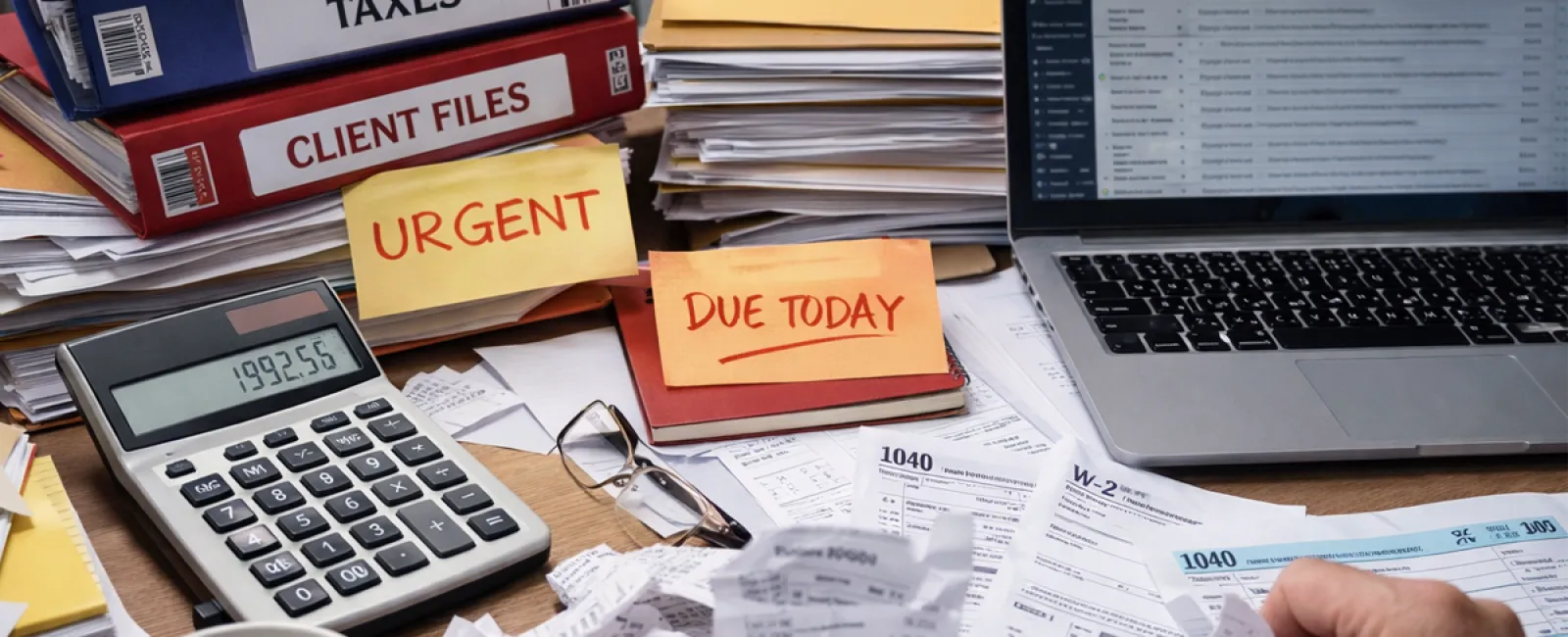
It's March—the height of tax season.
Your accounting team is overwhelmed. Bookkeepers are racing against the clock. Deadlines are closing fast, and your inbox is flooding with emails.
Everyone is heads-down, just trying to survive the month.
This isn't news to you—but it's not news to cybercriminals either.
Data from security experts shows a sharp rise in phishing attacks during tax season, with March experiencing about a 28% surge in tax-related scam emails compared to quieter periods. These scams aren't flashy; they're crafted to blend seamlessly into daily business communications when your team is too busy to notice.
This isn't coincidence—it's deliberate timing.
Here's what to expect this season and four key strategies to protect your business from becoming an easy mark.
Supply Chain Stress Creates Vulnerabilities
Here's a common oversight:
Hackers don't only focus on accounting firms themselves.
They exploit the chaos around them.
During tax season:
- Clients hurriedly send confidential information
- Staff skip important verification steps to keep pace
- "Just send it" replaces cautious communication
- Verification processes are bypassed due to intense workloads
The entire system accelerates—and that fast pace breeds mistakes.
Cybercriminals target busy businesses, not the calm and methodical.
And March is the epitome of busy.
Recognizing These Targeted Attacks
This isn't fiction.
Fraudulent emails look just like the regular ones in your inbox.
- An email from "your accountant" requesting that you resend W-2s due to a missing document
- A notice from a vendor about a bank account update that requires immediate action
- A DocuSign request demanding a signature on a tax document "today"
- An urgent plea from "your CEO" traveling and seeking immediate assistance
None of these messages raise suspicion—they feel like part of the usual March routine.
That's why these scams succeed.
Why Busy Professionals Fall Victim
This isn't about carelessness—it's about human nature.
When inboxes overflow and deadlines press, people skim messages, make assumptions, and act quickly.
Scammers exploit this behavior.
Their emails are tailored for distracted readers—just one overlooked detail is all they need. They don't count on recklessness, just your busy schedule.
And in March, nearly everyone is under pressure.
Four Straightforward Steps to Avoid Becoming a Target
The good news? You don't need complex security software or a specialized team to cut your risk.
Simply adopt these mindful habits during hectic periods.
1. Always Confirm Payment Changes by Phone
If you receive emails about vendor bank details changing, don't respond directly.
Use a verified phone number to call and confirm the update.
This simple step blocks some of the costliest business scams.
2. Pause Before Fulfilling Requests for Sensitive Data
Urgency should trigger caution, not haste.
If someone demands W-2s, tax documents, or financial records "immediately," take a moment to verify.
A legitimate request won't object to a brief delay. Scammers usually will.
3. Validate Urgent Requests Through Another Channel
When an email stresses urgency, confirm via a separate method.
A quick call, text, or internal message can prevent costly mistakes.
True urgency can withstand a two-minute check; fake urgency will collapse.
4. Alert Your Team to Stay Vigilant
This week, remind your team that tax season is peak scam time.
Encourage them to slow down, verify details, and ask questions if something feels off.
Giving your team permission to be cautious today can save you hours of hassle tomorrow.
Essential Takeaway
Tax season is challenging enough without falling victim to a scam.
The cyberattacks during this period aren't sophisticated—they're just perfectly timed.
They depend on rushed decisions.
Assumptions.
Everyone's drive to push through March.
You don't need to overhaul your entire system to stay safe.
Just remember to slow down when it really counts, and always verify urgent requests.
That approach is often enough.
Free Quick Sanity Check This Busy Season
Your company might already have strong defenses in place, which is excellent.
But if tax season pushes your team into reactive mode or you're unsure how they handle urgent emails, consider a fast sanity check with a free Quick and Easy Call.
No high-pressure sales. No scare tactics. Just an honest review to identify if simple habits can prevent big headaches this season.
If this message doesn't fit your business, please share it with someone it might help.
Click here or give us a call at 760-770-5200 to schedule your free Quick and Easy Call.


